
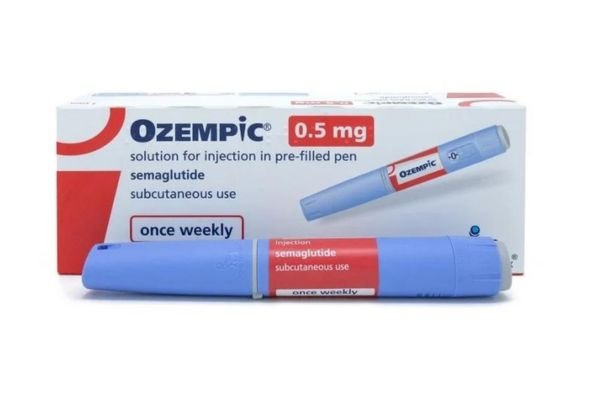
Ozempic® (semaglutide) injection
Ozempic is a once-weekly GLP-1 receptor agonist used alongside diet and physical activity to improve blood sugar control in adults with type 2 diabetes. It may also help reduce the risk of certain heart and kidney complications in eligible patients.




Benefits of Ozempic for type 2 diabetes
Ozempic (semaglutide) is a once-weekly GLP-1 receptor agonist that helps improve blood sugar control and, in some adults, reduce the risk of certain cardiovascular problems, when used alongside diet and exercise.

Ozempic helps the pancreas release more insulin when blood sugar is high and reduces glucagon, supporting better HbA1c control in adults with type 2 diabetes.
Given as a subcutaneous injection once a week, on the same day each week, which can make it easier for some people to stay on track with their treatment plan.
In adults with type 2 diabetes and established cardiovascular disease, Ozempic has been shown to lower the risk of major adverse cardiovascular events, when used as recommended.
Some people may also lose weight and benefit from supportive effects on kidney and cardiovascular health, but Ozempic is not licensed solely as a weight-loss medicine and is not insulin or a treatment for type 1 diabetes.
Ozempic: Precautions & Side Effects
Ozempic (semaglutide) is a prescription GLP-1 medicine used to improve blood sugar control in adults with type 2 diabetes and to reduce the risk of certain cardiovascular problems in eligible patients. It is not suitable for everyone – your clinician will check whether Ozempic is appropriate for you.

A full medical review is essential before starting Ozempic. It may not be suitable if you have certain health conditions.
- Ozempic is for adults with type 2 diabetes and is not indicated for type 1 diabetes or diabetic ketoacidosis.
- Tell your clinician if you have ever had pancreatitis, severe stomach pain, gallstones or gallbladder disease.
- Ozempic may not be appropriate if you have serious kidney disease, significant liver problems or severe gastrointestinal disease (for example severe gastroparesis).
- Do not use Ozempic if you or a close relative has ever had medullary thyroid cancer, or if you have been told you have a rare condition called MEN 2 (multiple endocrine neoplasia type 2).
- Your prescriber will also review any history of diabetic eye disease (retinopathy), as rapid improvements in blood sugar can sometimes temporarily worsen eye symptoms.
- Always tell your clinician about all medicines you are taking, especially insulin or sulfonylureas, as doses may need to be adjusted to reduce the risk of low blood sugar.
- Ozempic is not recommended in pregnancy or while breastfeeding. If you become pregnant while using Ozempic, you should contact your doctor as soon as possible.
Many people tolerate Ozempic well, but side effects can occur, especially when treatment is started or doses are increased.
- Common side effects include nausea, vomiting, diarrhoea, constipation, indigestion, abdominal (stomach) pain and decreased appetite. These often improve as your body adjusts.
- Ozempic can cause low blood sugar (hypoglycaemia), especially when used together with insulin or sulfonylurea tablets. Symptoms can include sweating, shakiness, hunger, headache and feeling confused.
- Severe, persistent stomach pain that may spread to your back, with or without vomiting, can be a sign of pancreatitis. This is a medical emergency and needs urgent assessment.
- Some people may develop gallstones or gallbladder problems. Symptoms can include sudden pain in the upper right side of the abdomen, fever, yellowing of the skin or eyes, or pale stools and dark urine.
- Kidney problems can occur, usually in the context of dehydration from prolonged vomiting or diarrhoea. It is important to stay hydrated and seek advice if you cannot keep fluids down.
- Changes in vision, such as worsening of diabetic retinopathy, have been reported. Let your clinician or eye specialist know promptly about any new or changing eye symptoms.
- Serious allergic reactions are rare but can include swelling of the face, lips or tongue, difficulty breathing or a severe rash. Call 999 or attend A&E if you think you are having a severe allergic reaction.
